Dynamic Fan Editorial Poster
Generate striking, art-forward editorial posters featuring fluid fan-shaped compositions and integrated typography.
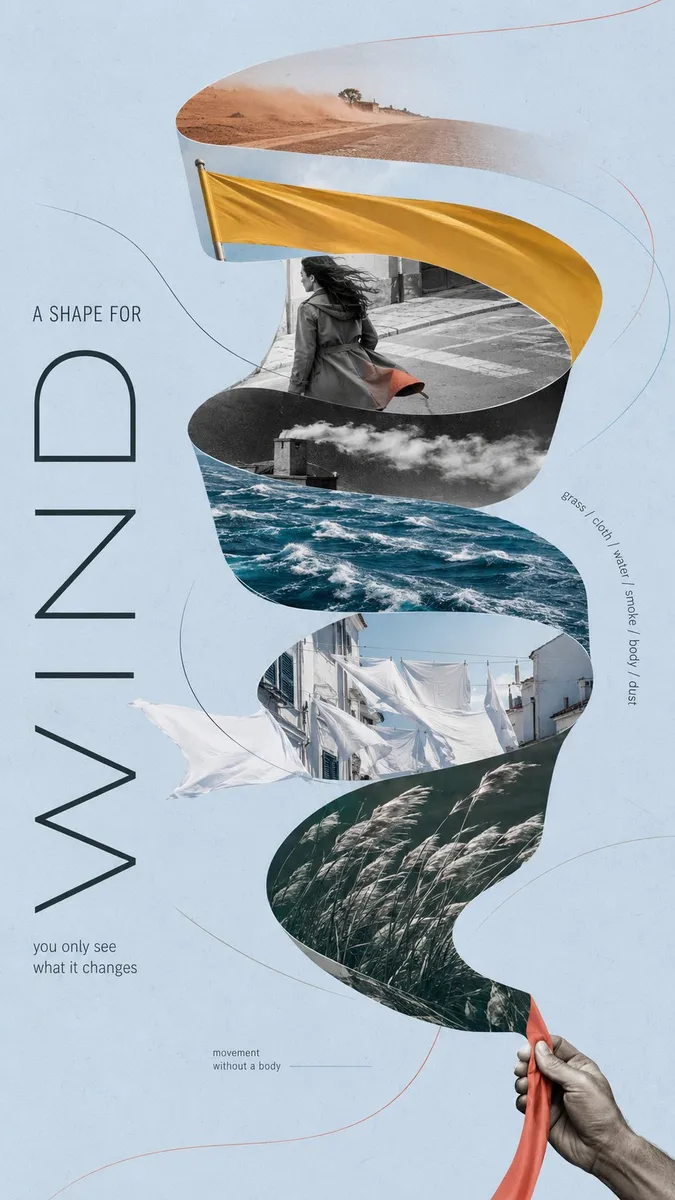
How to use this prompt
This template excels at creating art-forward editorial posters and modern graphic designs with fluid, rhythmic compositions. It is best suited for advanced image generation models capable of handling complex layouts, performing exceptionally well in vertical 9:16 or 3:4 aspect ratios for traditional poster formats.
To achieve the best results, carefully coordinate the Fan Logic and Color System variables. For instance, pairing a radial burst with a high-contrast palette creates energetic urban posters, while flowing ribbons combined with minimal backdrops yield elegant, calm designs. Ensure you balance the Visual Materials and Typography selections to maintain a clean collage effect without clutter.
A common pitfall is over-complicating the layout, which leads to messy text rendering and style drift. Fix this by keeping optional text brief, limiting your material choices to a focused selection, and ensuring the background remains relatively flat to let the primary curved silhouette stand out clearly.
Prompt Template
Create a {aspect_ratio} editorial poster based on a fan-shaped composition, with an emphasis on curved structures, flowing movement, and strong visual rhythm.

SUBJECT: [Subject]
TITLE: [Title]
CONCEPT: [Core idea or mood]
FAN LOGIC: {fan_logic}
VISUAL MATERIALS: {visual_materials_materials}
COLOR SYSTEM: {color_system}
TYPOGRAPHY: {typography_materials}
BACKGROUND: {ground_materials}
TEXT DETAILS: [Optional short meaningful phrases]

Use the fan-shaped composition as the main visual language, but do not limit it to straight wedges. The structure can bend, arc, curve, flow, expand, compress, or rotate depending on the concept.

Prioritize graceful visual movement. Let the composition guide the eye through the poster with ribbons, arcs, layered curved sections, or a single radial burst used in a more expressive way.

The shape should help express the idea:

* a flowing ribbon can suggest wind, motion, transition, or invisible force
* offset arcs can suggest observation, rhythm, memory, or layered perception
* a radial burst can suggest sound, signal, speed, or urban energy
* motion arcs can suggest body movement, choreography, or time unfolding

Build a strong large silhouette first, then fill it with controlled visual variety. Mix image sections, pure color areas, negative space, and small editorial details so the poster feels designed rather than template-based.

Allow some elements to break across the fan boundaries when useful. Curves should feel intentional and elegant, not decorative for their own sake.

Typography should feel integrated into the composition. Use one clear title, a short supporting line, and a small amount of editorial text. Keep the copy meaningful and concise.

The final poster should feel like an art-forward editorial collage: visually striking from a distance, but richer and more layered up close.
Tunable variables (6)
- Aspect Ratio — Choose the canvas aspect ratio.
- Fan Logic
- Color System — Define the primary color palette.
- VISUAL MATERIALS — Pick one or more materials for this subject. A piece typically uses about 4–7 materials in total.
- TYPOGRAPHY — Pick one or more materials for this subject. A piece typically uses about 4–7 materials in total.
- Ground / roads / dunes — Pick one or more materials for this subject. A piece typically uses about 4–7 materials in total.
Tags
poster editorial fan-shaped composition
Type: AI-Generated Community Prompt. Sample images are generated with AI models and serve as baseline references only. Prompts are parameterized for transformative search & educational customization.